Unlimited study, zero mistakes
The Chimp Test combines two memory skills: where things are, and in what order. Its rules give you an unusual deal. You can study the board for as long as you like, but you may not make a single mistake once you commit. That changes how to approach it. Your score depends far less on a quick glance than on how well you use the study phase before you touch the 1.
The board is a fixed 7 by 6 grid. A run opens with four numbers, adds one per level you clear, and tops out at twenty. Your score is the count of numbers on the last level you cleared, so the level number and the amount you must remember are the same thing.
Turn the numbers into a route
Remembering separate positions gets hard past six or seven. A route is easier. With your eyes, trace a line from 1 to 2 to 3 and onward, as if you were drawing it on the grid. Trace it several times. Most layouts make a recognisable shape: a zigzag across the top, a loop around the middle, a long jump to a far corner and back.
Then break the route into legs of three or four numbers, each with a short description:
- "1 to 3 run along the top, left to right."
- "4 drops straight down to the bottom row."
- "5 to 7 climb back up the right edge."
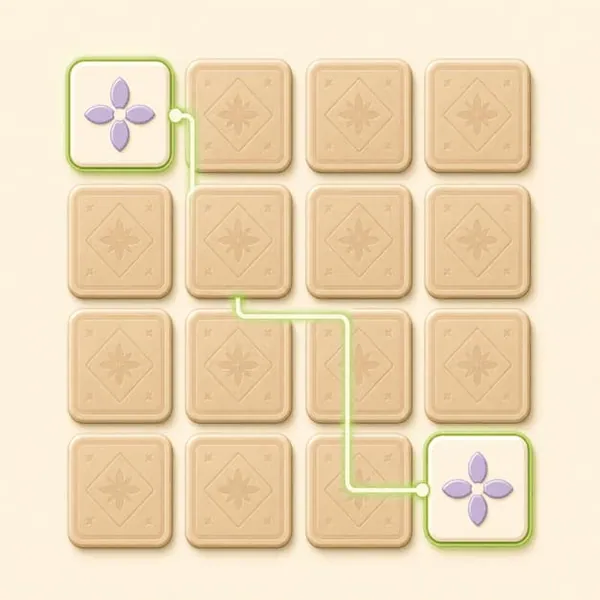
Here is a worked example with seven numbers. You find 1 in the top-left corner, with 2 and 3 to its right in the same row. 4 sits at the bottom of the grid, below 3. 5, 6 and 7 rise up the right side in a rough diagonal. That is three legs: across, down, up the side. Once you can say that in one breath, tap 1 and follow your own description.
Test yourself before you commit
Because nothing happens until you tap 1, you can check your memory for free:
- Study the route and say the legs to yourself.
- Look away from the board, or close your eyes, and walk through every number in order.
- Look back and check. If any number was fuzzy, study that leg again.
Pay special attention to the end of the route. You tap the first few numbers almost at once, but the last ones must stay in memory the longest. If your misses keep coming in the final stretch, that is where your extra study time should go.
What ends rounds
- Tapping a blank cell. After the numbers hide, a tap on an empty cell is just as wrong as the wrong number. If you are unsure between two cells, stop and replay your legs before you choose.
- Tapping a number other than 1 during study. The order rule applies from the very first tap, even while the numbers still show.
- Counting from the wrong anchor. Players often remember a leg but start it from the wrong end. Note which number begins each leg, not just its shape.
- Rushing after tapping 1. There is no clock in the hidden phase either. A steady pace, one leg at a time, is safer than a sprint.
Getting more from each run
You have three lives, and a failed level comes back with a new layout. When a level fails, the numbers you missed show briefly in peach. Notice whether they were in the middle of a leg or at a turn between legs. Misses at the turns usually mean your legs were too long. Shorten them to two or three numbers.
The jump from one level to the next is a single number, so progress comes in small, steady steps. If you reach the point where the route itself is the hard part, try Recall at /games/recall. It trains the opposite skill: a pattern with no order, seen for only a moment.